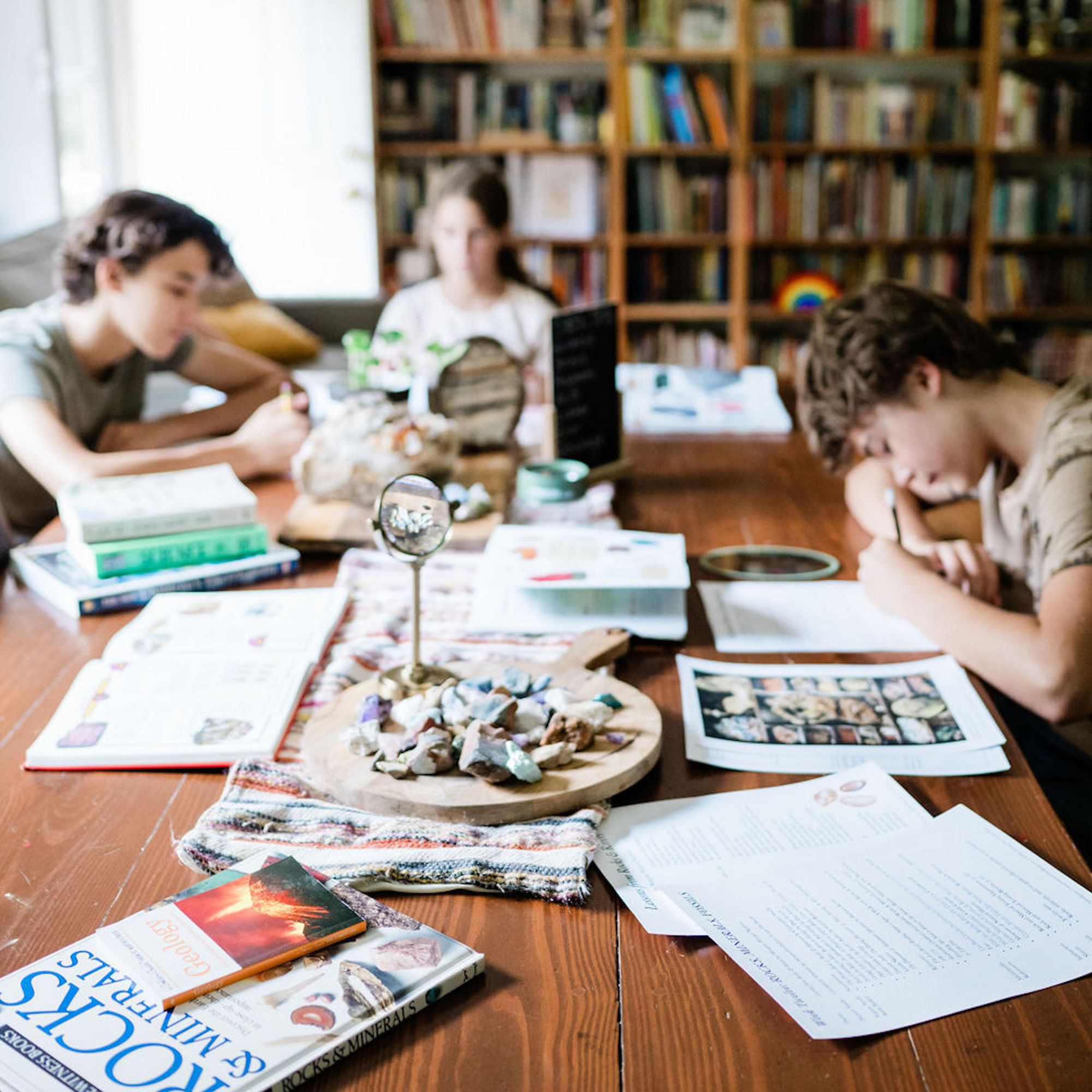
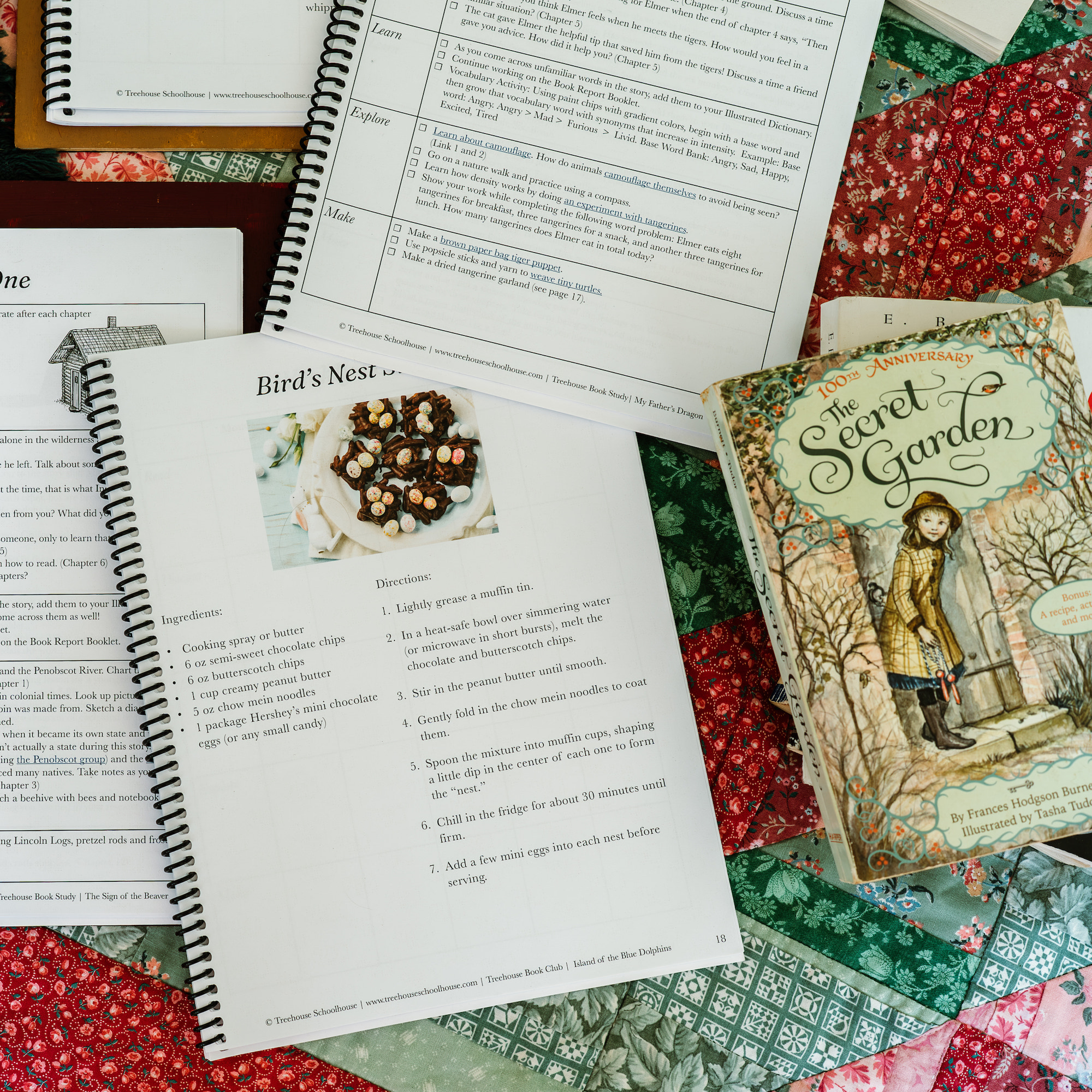
In the discussion of life-long learning, education is not only a tool for teaching children academic knowledge. Education can give children a way to explore the natural world throughout their lives.
As signs of spring begin to appear, consider using birds as a way to introduce children to the natural world, equipping children with facts about the class of animals along with the practical skill of birding.
In this blog post we are sharing a kid-friendly approach to birding, including tips on how to begin, essential resources, and favorite activities to engage in learning. As you teach children about birds, children will learn the skill of observation as they seek to learn from the world around them.
In this blog post:
- What is birding?
- Birding 101: A child-friendly approach to bird watching
- Twelve birding activities for kids
- Favorite birding books for kids, bird watchers, and naturalists
- Try a free week of Treehouse Nature Study, Primary Years: Spring [Free Printable PDF]
What is birding?
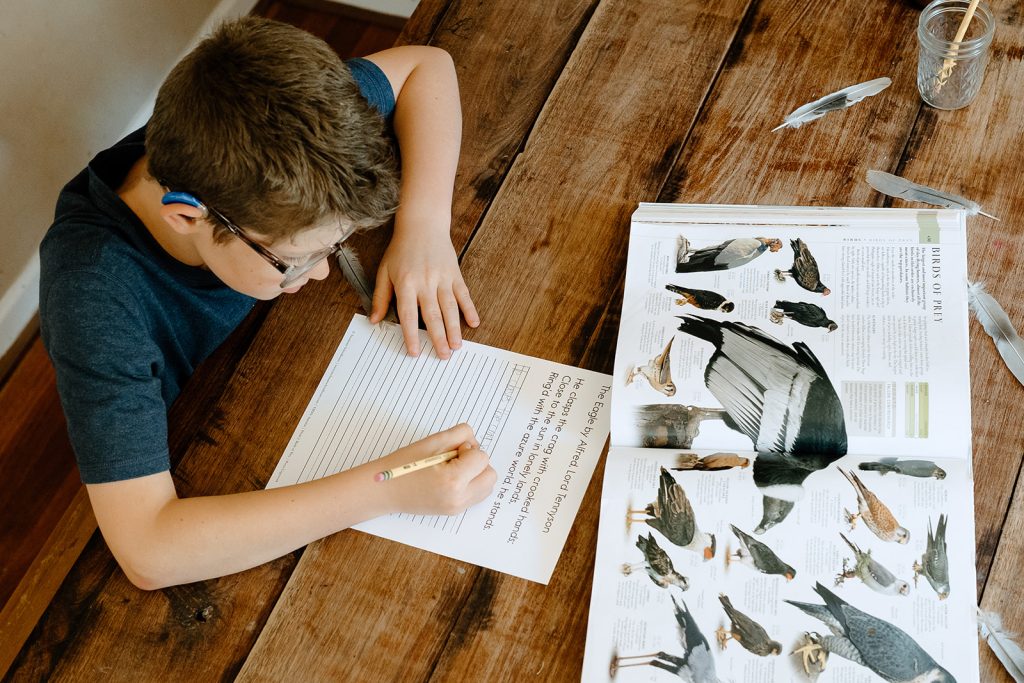
Birding is the simple act of appreciating and observing birds in the natural world. Bird watchers use their eyes and ears to identify birds by their appearance, sounds, and behavior. To learn about birds, over time you will accumulate facts about bird anatomy, types, nests, behavior, migration, and more.
Birding 101: A child-friendly approach to bird watching

Birding is a simple way for children to engage with nature and learn about the birds in their local habitat. From observing birds in your backyard to seeking birds on a nature trail, birding provides many opportunities to children to gather facts about birds and learn to identify what they see around them.
Simple bird identification for kids
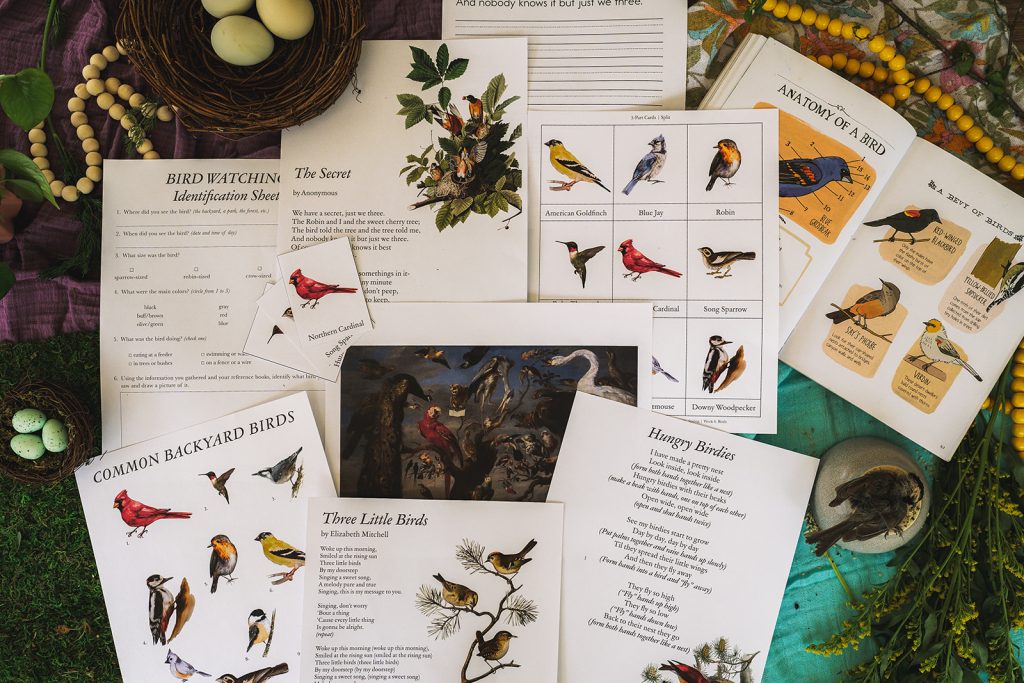
To introduce children to birding, start with a field guide. Use guides to learn the common types of birds in your geographic area, like in your city, state, or region. Choose 5-10 birds to identify first by appearance, and later by sound. Tailor this experience to your child’s interest. If they love a particular color, you could focus on learning about red birds or blue birds. If your child is quick to notice different sounds, teach children about woodpeckers, the sound they make, and their behavior. Toddlers and little kids may love learning a sweet bird-themed hand rhyme.
When you are ready to look for birds in nature, children will enjoy having a pair of binoculars to use to peer into the trees and branches and look for common birds.
Keep a list of the birds you see, and reinforce what you learn by learning more about each bird you identify. Explore each bird’s anatomy, the nest they build, where they lay their eggs, what they eat, and their migration. Learn about the sound each bird makes, and try to distinguish each one by sound only. Some birders like to keep a “life list,” which marks every bird they have seen throughout their life!
Once your children have mastered some basics, take children to nature trails or birding trails where you can spot higher numbers or birds, or new varieties. Research which seasons of the year are the best times to go, and make an effort to go during those times.
Birding tips and etiquette for kids
As you teach children about the natural world of birds, children can benefit from learning some common etiquette of bird watching. These are helpful in particular if you plan to explore birding trails.
- Wear clothing suitable for birdwatching, including colors that blend in more naturally with nature.
- Prepare for nature exploration by bringing snacks, water, hats, and sunscreen, so children can observe nature comfortably, for longer stretches of time.
- Take care of the environment, noting that feeding wildlife or disturbing bird nests and eggs is routinely prohibited by law.
- Teach children to be quiet and still as they peer for birds. This one can be challenging, especially for little active children. Prepare children ahead of time by explaining that in order to see birds, you need to act quietly and “look with your eyes.” Explain how loud sounds, like shouting or stomping, can scare wildlife away.
For more information about birding for kids, learn more from the Natural Park Service.
Twelve birding activities for kids
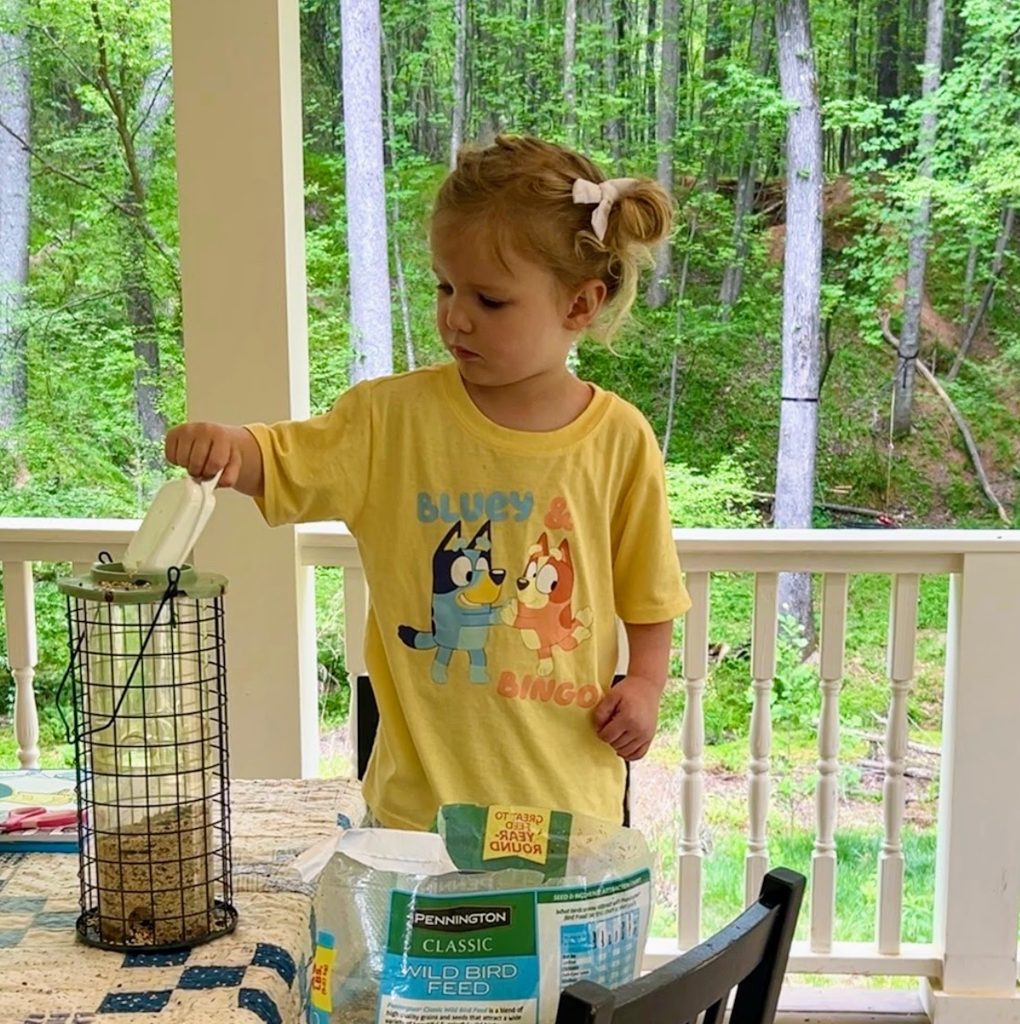
As you learn about birding, consider these activities to give kids different ways to learn about birds and their natural habitats.
- Build a nest – Give your child clay and loose parts, such as sticks, string, and leaves, and encourage them to build a nest. (Or, make a bird’s nest-inspired treat.)
- Observe backyard birds – Identify and make a list of the birds you see in your backyard. Later, look up three facts for each bird you identify.
- Birding nature walk – Go on a nature walk with a focus on bird watching. Bring a clipboard and your binoculars and record your observations and the birds you identify. Consider visiting a birding nature trail in the town where you live.
- Draw a bird – Follow a tutorial online to draw a bird that is local to your area, like this Blue Jay tutorial from Art for Kids Hub.
- Birdfeeder – Find a tutorial online to create a simple birdfeeder from materials you have in your home. Set the birdfeeder near a window where you can watch to see which birds stop by.
- Map your native bird migration – Identify the birds that are commonly found in your area, and research where they migrate to each year. Use a free, printable world map to chart each bird’s migration path.
- Ornithologist study – Learn about John James Audubon or another prominent bird researcher.
- Curate a bird photo collection – Practice bird photography and make a photo album, or draw a collection of local birds and bind them together in a book.
- Create a wildlife habit to attract birds – Do library research (this book is a great source) to learn about creating a wildlife habitat in your backyard. To go deeper, visit a local plant nursery and botanical garden and learn about different types of plants that birds may enjoy.
- Bird sound exploration – Listen for bird sounds with the Merlin ID app, or listen and quiz yourself on different bird songs with this impressive collection.
- Chart bird anatomy – Draw and label the different parts of a bird, including beaks, wings and more. Use a nature guide to help you learn.
- Contribute to science data – Participate in the great backyard bird count by studying and reporting what you see in your backyard.
Favorite birding books for kids, bird watchers, and naturalists

If you love learning about birds, these books are incredible resources for learning to identify and understand more about birds. These are reference books your family can use to dive deep into study.
- Peterson Field Guide to Birds by Roger Tory Peterson – This is the definitive handbook for birdwatching because of its identification system and illustrations.
- The Sibley Guide to Birds by David Allen Sibley – This is a birding guide for both novices and experts.
- Bird Anatomy by Julia Rothman – We love all of Julia Rothman’s anatomy books as reference for nature study and further learning. (Pre-order – Coming October 2026)
- Bird by DK – These photographic encyclopedias are excellent to pique children’s curiosity about the birds of the world.
- The Backyard Birdsong Guide from The Cornell Lab – If you’ve ever wanted to recognize different birds by sound, this is the book for you. This collection contains common vocalizations of 75 species in North America.
- The Burgess Bird Book for Children by Thornton W. Burgess – If your family loves read-alouds, this is a charming story for children that gives life and personality to different birds in nature.
See all of our favorites on Amazon.
Try a free week of Treehouse Nature Study, Primary Years: Spring [Free Printable PDF]
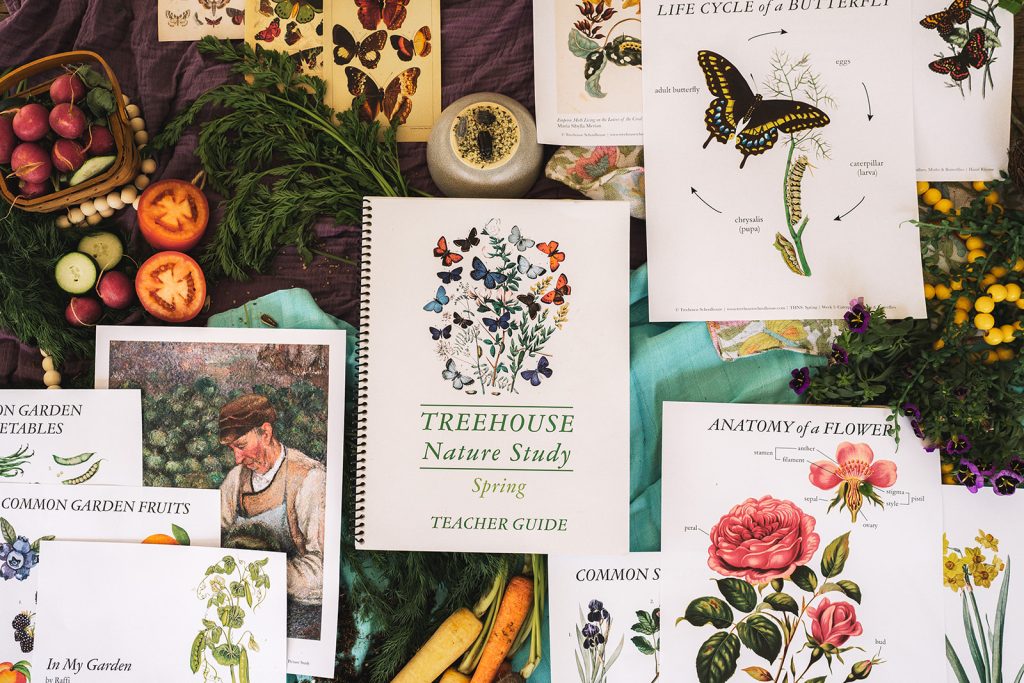
If you love exploring nature through books, literature, and in the outdoors, consider our best-selling nature study for children, Treehouse Nature Study, Primary Years.
Spring nature study includes units on seeds and sprout, rainbow, the Spring Equinox, and more.
Download a free week of Treehouse Nature Study, Primary Years: Spring below, featuring Caterpillars, Moths, and Butterflies week.
For children in grades 4th through 8th, consider Treehouse Nature Study, Intermediate Years.
Meredith Qualls has worked for Treehouse Schoolhouse since 2023, where she helps develop curriculum and writes about motherhood and home education. She was homeschooled in the 90s, has a master’s degree in journalism, and previously worked in traditional print newspapers.