
If you are here, you likely already know about the Charlotte Mason method.
The Charlotte Mason method, beloved in many homeschool circles, is known for its hallmarks of learning through literature, and letting the ideas you find in books inspire education and deep learning. It includes art and poetry, connects to real life, and highlights a love and recognition of God. A Charlotte Mason education allows children to hone in on topics that spark curiosity and personal interests as they progress in academics.
Whether you are drawn to one or several of Mason’s ideas, and whether you practice them or not, one of the beautiful things about Charlotte Mason’s style of learning is how it uses education to illuminate life.
Through learning in books and exploring the world, the Charlotte Mason method focuses on the experience of learning, with hopes that loving learning will set children up for a life that is rich and full, and will encourage good habits and love for God that overflow into all parts of life. It sets aside the benchmarks of a traditional education, like grade levels and specific academic standards. The idea is that by developing a true love of learning, with time and discipline, all of the important parts of an education will shine through.
Homeschool or not, what more could we want for our children?
I don’t know a parent who doesn’t ask, among their closest friends and family, if they are doing it right, or choosing the right path for their children. I don’t know a parent who isn’t reflecting on whether or not they are making wise choices for kids as they grow. As a parent, being present and intentional is challenging in the mix of competing responsibilities: family, work, health, spiritual life, to name a few.
In a world with a lot of emphasis on brevity and summary and rushing along to the main point, Charlotte Mason’s ideas offer a way to learn through contemplation and conversation. She shares her own personal insights in a way that is artfully designed to inspire parents to make wise choices about education and parenting on their way to educating the child as a whole.
Here are my favorite takeaways from reading Formation of Character, whether you are a homeschool family or an intentional parent looking for ways to anchor these years of raising children.
In this blog post:
- 3 Parenting Lessons from Charlotte Mason for Every Intentional Parent
3 Parenting Lessons from Charlotte Mason for Every Intentional Parent
Learning can (and should) be life long
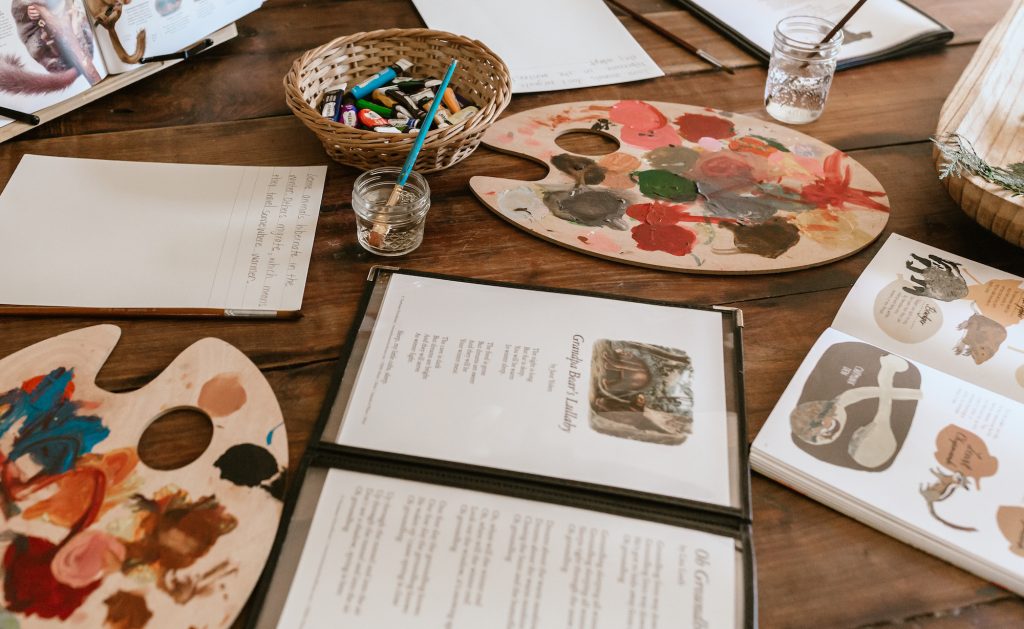
In Formation of Character, Charlotte Mason writes: “Begin at the beginning, if a beginning there be, and go on to the end, if life is long enough.”
Parenting children in the early part of their life is completely consuming and requires the majority of your time and energy, or else it requires a significant amount of help. In my own family, I often reflect on whether or not I am doing enough, or if I am laying the right foundation for a number of things in the parenting realm, like reading ability, physical activity, nutrition, or a real and accurate understanding of God.
Charlotte Mason offers a better way: simply “begin at the beginning,” knowing that education, and parenting, are lifelong endeavors.
She writes: “In the matter of education, we are hovering round the truth: that education is not merely a preparation for life, but the work of a lifetime, is boldly announced. And given thus much insight, is it conceivable that the education in question is no more than the cramming of a few text-books? Like religion, education is nothing or it is everything – a consuming fire in the bones.”
If you are parenting and thinking about the scope of your child’s life, from childhood to adulthood, consider that our reach to our children’s life will be lifelong. This mental shift from worrying about checking off every box for each age can be transformative if you consider that learning is a constant in life. We are all continuing to learn and grow in each stage of life, and it will be the same for our children. What we can develop in our children is a love for learning so children will grow to pursue knowledge, wisdom, and character. It is not about achievement, but instead a continual development that we can all benefit from, parent or child.
Habits are a huge pursuit of a whole-child education
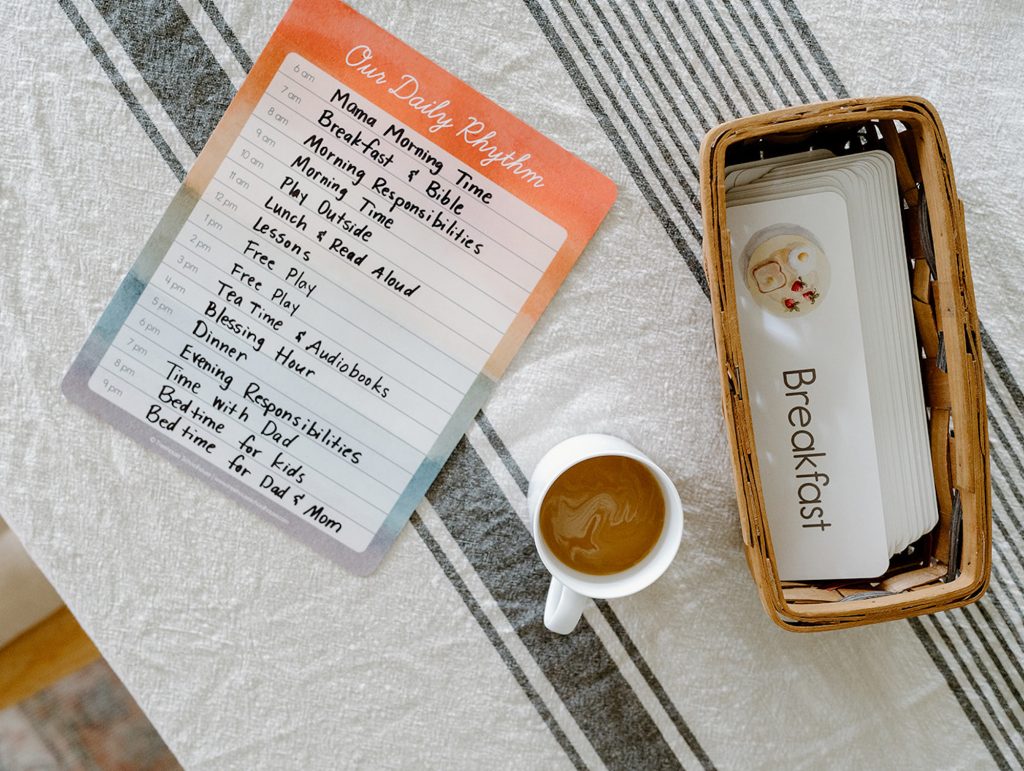
“But what I wish to say is, education, like charity, begins at home,” Charlotte Mason writes. “The habits a child grows up with appear to leave some sort of register in his material brain, and, thus, to become part of himself in even a physical sense. … We cannot make a child ‘good’; but in this way, we can lay paths for the good life in the very substance of his brain. We cannot make him hear the voice of God; but, again, we can make paths where the Lord God may walk in the cool of the evening.”
As children make progress in their education, they are learning habits that will sustain them for life – how to focus, how to work hard, how to do daily responsibilities, and of course many more lessons they will gather along the way. As we choose books for our children to read or what curriculum they will use each year, these choices will affect their learning, but we are teaching more than that. As parents, we are teaching children how to grow and move through life in a way that will allow them to one day work in the world and care for themselves and the people around them. They will learn how to nurture their inner life intellectually, emotionally, and with creativity.
Children will thrive with the encouragement of their parents
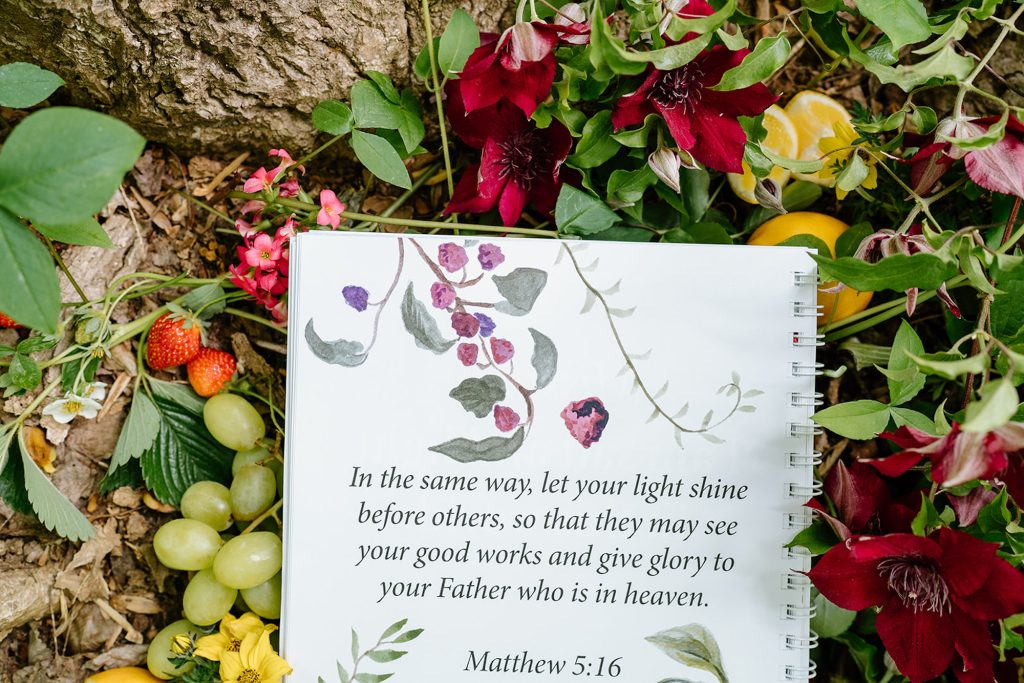
Charlotte Mason advocates for parents to be attuned to their children’s academic work and remain interested and curious about each child’s learning and thoughts.
She writes: “It is important that parents should, so far as possible, keep up with their children, should know where they are and how they are getting on with their studies, should look into their books, give an eye to their written work, be ready with an opinion, a hint, a word of encouragement.”
She also adds: “Parents do not always consider how far a word of interest from them goes to convert the dead words or a lesson into a living idea, never to be lost.”
As parents, can our children benefit from us following their lead and remaining open and curious to their insights and interests?
In my personal experience, it is easy for me to be invested in the parts of my child’s schooling that align with my own interests and knowledge. I love reading, so of course I love children’s stories and read-alouds. As parents, I think it is easy to focus on the parts of childhood that we loved and now see again in our children’s lives. Or, you may be focused on what opportunities you can give your children that you didn’t have growing up.
Charlotte Mason’s idea is that children need praise and encouragement from their parents, but one that rests in the beauty of each step of the child’s unique development. Outside of the things we want to see in our children, are we quick to minimize their simple understanding of facts they are learning? Can we spend more time stating that we are proud of our children each step of the way, and remain interested in hearing more, even if we already know the facts ourselves?
In the wisdom of intentionally raising and teaching our children, these suggestions can go a long way.
What ideas are important to you in your family or homeschool setting? Share your thoughts in the comments below.
Meredith Qualls has worked for Treehouse Schoolhouse since 2023, where she helps develop curriculum and writes about motherhood and home education. She was homeschooled in the 90s, has a master’s degree in journalism, and previously worked in traditional print newspapers.
![Kitchen Skills for Kids: Cooking for Every Age [Checklist PDF]](https://storage.googleapis.com/treehouse-schoolhouse-media-dev/c38c61dd-gtb8983-enhanced-nr.jpg)