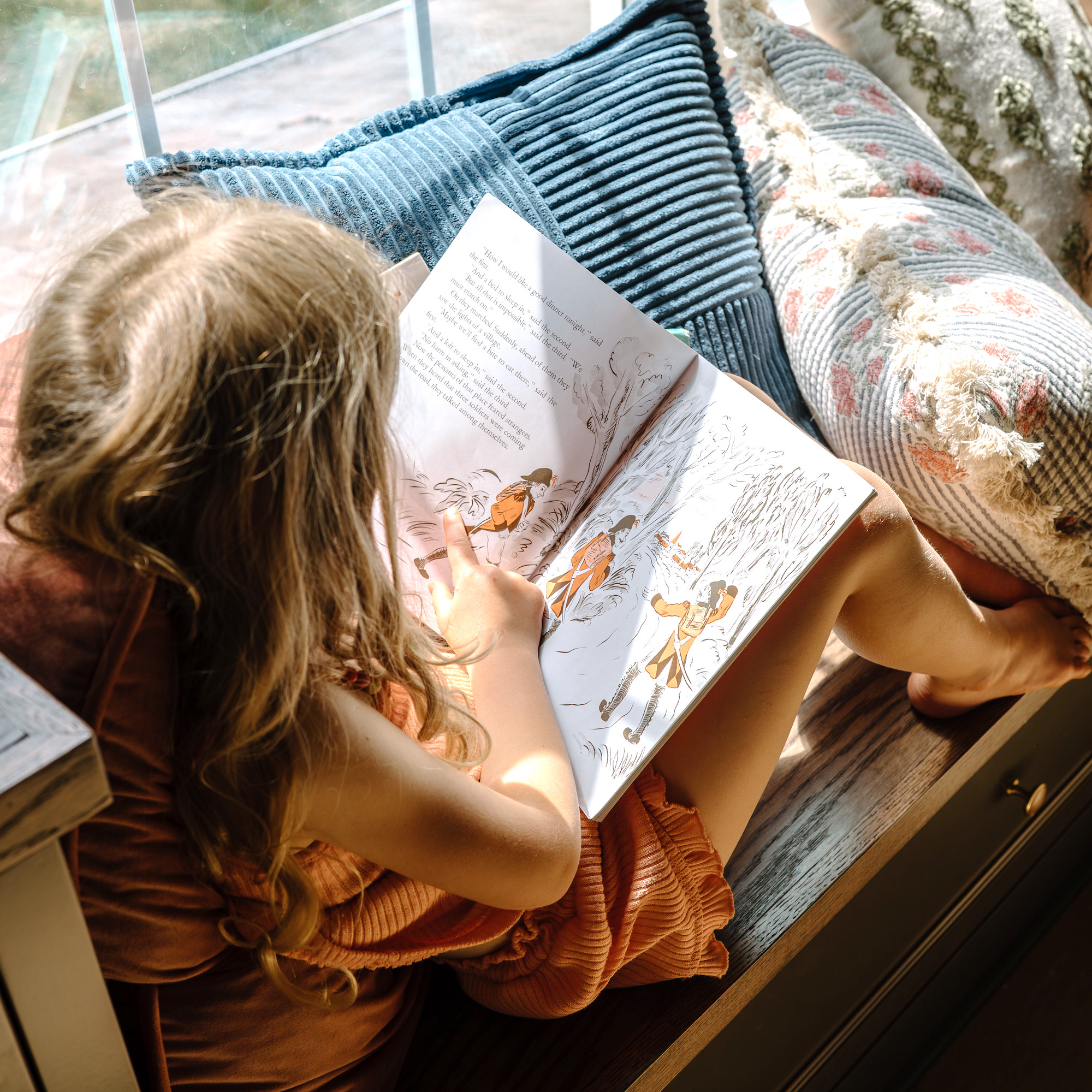
When you begin homeschooling when your children are young, part of the appeal is all of the sweet, intentional moments together. As you read picture books, make crafts, and go on outings hand in hand, it’s hard to imagine a day that will come that you will begin helping them become more independent. But the day does come.
In my family, as we prepare our children for adulthood and entering the world one day, we are shifting to thinking about how we can strategically give our children ways to work on their own responsibility and independence. It requires trust and letting go, and sometimes letting them fail. In this blog post I am sharing some things we are doing to inspire confidence and raise expectations for our older children to become capable, responsible, and more independent.
In this blog post:
- 10 ways to encourage responsibility in older children
10 ways to encourage responsibility in older children
1. Shift from manager to mentor in their schoolwork.

Take a step back in managing how your children go about their schoolwork and see how it goes. Instead of micromanaging every task, move toward coaching and accountability. Set times to sit down with your children to check in and ask how they are doing and share your expectations (right now we are doing this most mornings and calling it “Mom Morning Meeting”). Give kids their own planner and have them track assignments, appointments, practices, goals, and personal projects themselves. Map out the week together, then let them execute it. Use checklists instead of verbal reminders. The goal of all of this is to gradually shift responsibility from mom’s brain to their own systems, and let your children take the leading role.
2. Encourage older children to create personal goal-setting routines.
Goals can be academic but also so much more. Encourage kids to create their own goals and then help them stick with it and achieve it. Having fitness goals, reading goals, and creative goals can help teach children perseverance, commitment, and grit. They can also be great goals for daily habits or saving money. Encourage them to pursue long-term passion projects like writing a book, launching a podcast, woodworking, sewing, photography, coding, and then work backwards setting small goals and plans. Write these goals down in their planners and then check back in after some time to see how it’s going. (If you enjoy parenting books, this book has great ideas about encouraging kids develop and meet their own goals.)
3. Use personal email accounts to teach kids how to respectfully communicate with adults.

Have each child open their own email account. Then, use the email to coordinate with co-op teachers, grandparents, employers, activity leaders, librarians, instead of managing every detail yourself. Teach children how to appropriately use email and how to communicate with adults respectfully. Email is also a fun way to find community service opportunities, check on badge work and events for Trail Life USA and American Heritage Girls. It’s also a way for children to have ways to communicate without requiring their own phone or social media account. Encourage children to check their email on a regular basis that fits into your daily rhythm without being distracting, like each morning after school work is finished.
4. Have honest conversations with kids about safely using the internet and allow them to use it.
There are lots of great resources online to teach and inspire kids, but before you allow children to explore the internet on their own, teach them how to safely use the internet. Google offers an online safety curriculum called Be Internet Awesome which teaches children how to safely use the internet, learning to discern fake accounts or scams, encouraging respectful communication, and educating children that the internet is a public form and what they build online can affect others and follow them into adulthood. Stay Safe Online is another resource for parents and children. We also share some best practices for internet safety in this blog post.
Once you feel comfortable letting your kids browse the internet, it is a great way to let them explore tutorials for a hobby, research a topic they are passionate about, learn a practical skill from videos, help order supplies or compare prices for a project, and put books on hold at the library.
5. Assign ownership of a household system and/or meals.

Older children are capable of being an important part of the household. They can help with laundry rotation, pet care, loading and unloading the dishwasher, breakfast cleanup, watering plants, and more. Teach them to cook a few complete meals, not just helping you. Give them full ownership from planning to cleanup, and allow them to provide care for members of your family.
6. Let kids plan and host their own events.
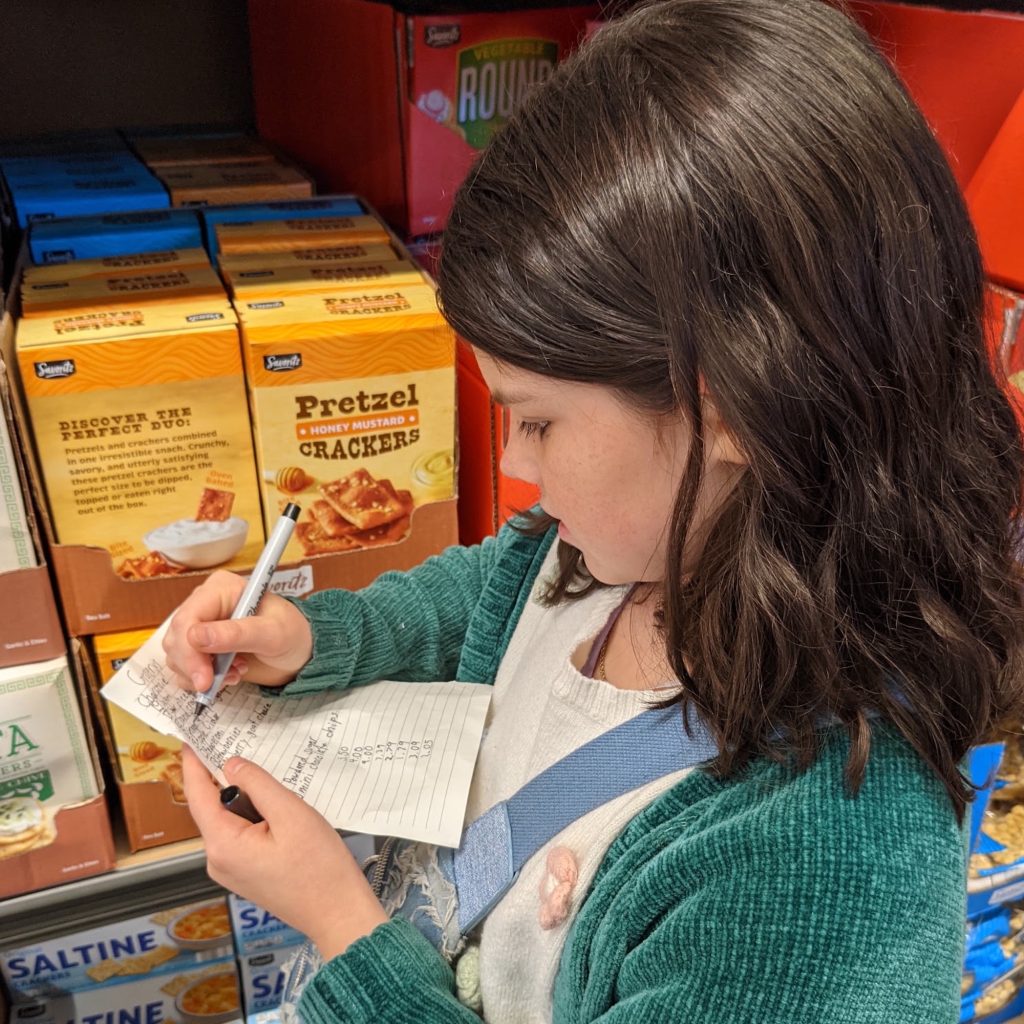
When kids get interested in having their friends over or planning special occasions, let them do the heavy lifting. Let children enjoy the rewarding moments of executing a girl’s night, book club, holiday party, or karaoke night. Before the event, let them take ownership by letting them make a guest list, invite friends, make a supply list, help prep food, and clean up after it’s over.
7. Help children get a job or volunteering position.
Children can get small jobs like doing yard work or being a Mother’s Helper for a family nearby. It is great exposure for caring for others and having responsibilities outside of the home. Children of this age can find volunteering opportunities like through the library, community cleanup days, or other things happening in your local area.
8. Allow children more freedom and independence.
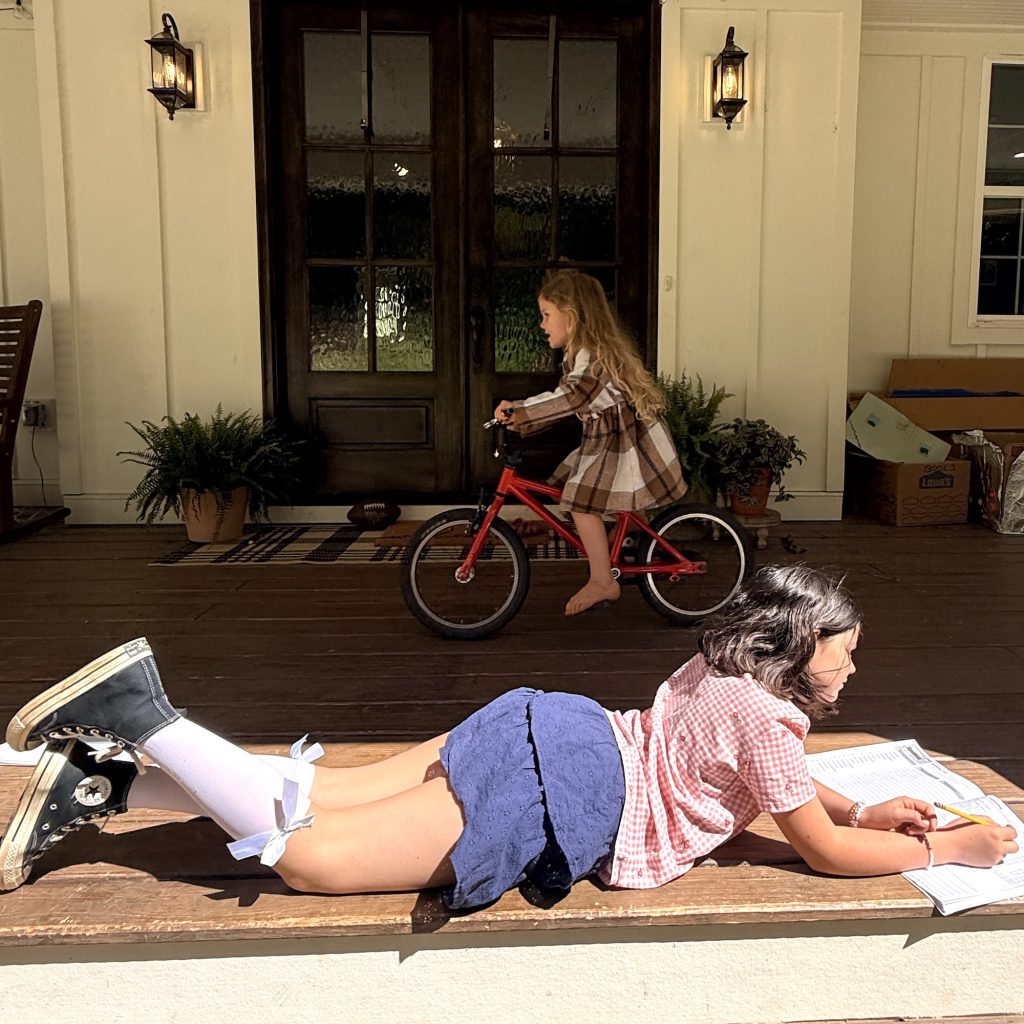
This will vary for every family, every child, and every community, but encourage your children to do things independently, like riding their bikes into town, going into stores by themselves, ordering their own food, leaving them home alone for short periods of time.
The Anxious Generation by Jonathan Haidt is a great resource if you are reflecting on this idea, and The Amazing Generation is a book by the same author that was adapted for children. The Cosmo Watch is a way to communicate with kids without giving them a phone or a screen.
9. Enroll children in outside classes, activities, and extracurriculars.
Extracurriculars are typically fun experiences and teach new skills, but they also give children an opportunity to respect other authorities and learn from others. Classes may require homework, reading assignments, preparing for presentations or performances, which are valuable to growing children’s personal responsibility.
10. Give children responsibility over younger siblings.

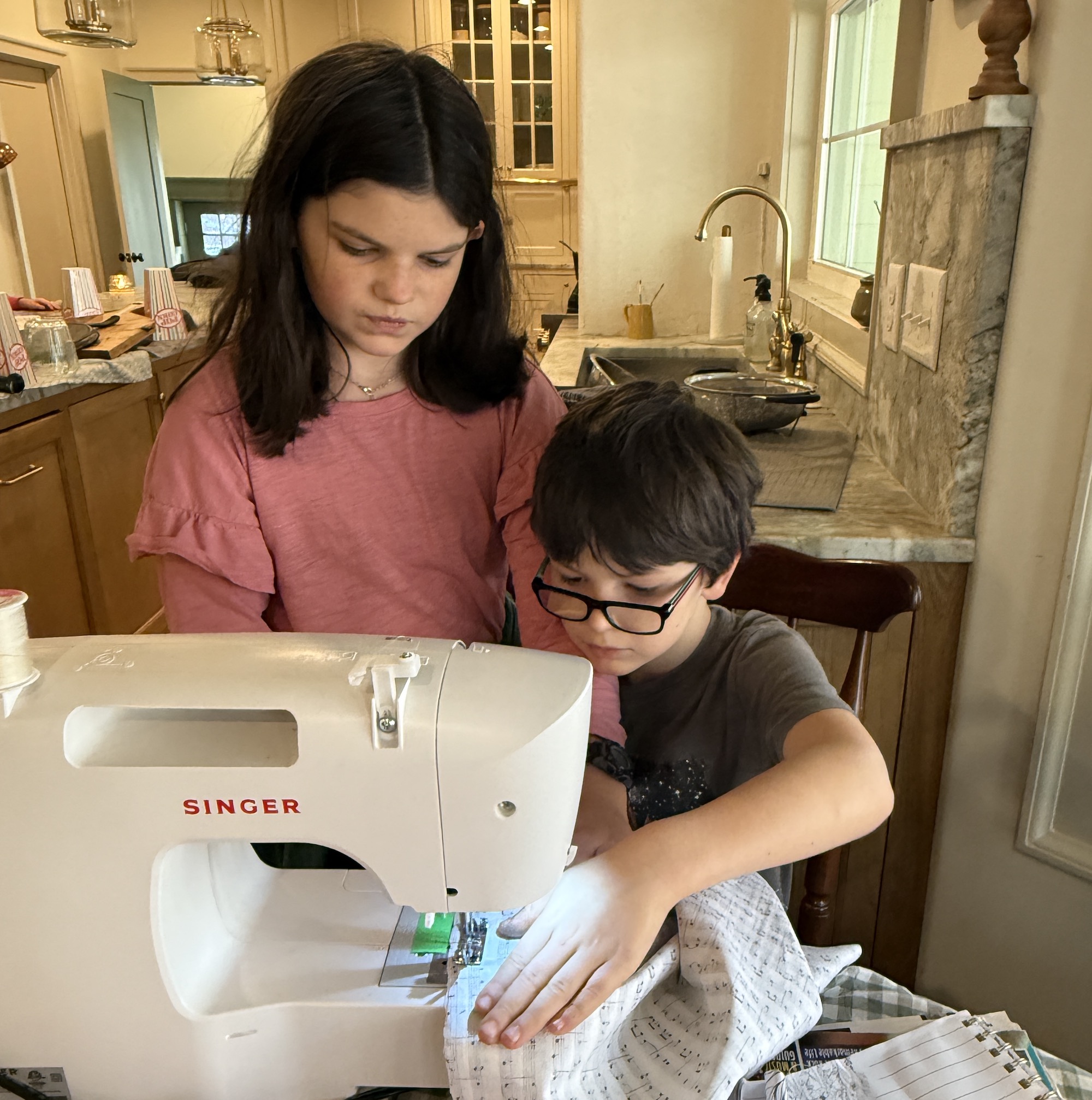
If your family has older and younger kids, older children can help watch and babysit younger siblings. They can also help them with schoolwork and reading, and make plans for things to do together.
How do you encourage responsibility and independence with your older children? Share your ideas in the comments, we would love to hear.
![Best Educational Board and Card Games for Kids and Families [2026]](https://storage.googleapis.com/treehouse-schoolhouse-media-dev/d9b5ca6e-image-scaled.jpg)