If you are looking for an activity to engage your children this summer and teach them about nature, creating a cut flower garden is the perfect way to take your children on a real-life learning adventure. In this blog post we are sharing an exciting STEM opportunity for kids, including planning, planting, and caring for a cut flower garden in your own backyard.
With a cut flower garden, children will have the opportunity to plan, plant, and harvest their own flower bouquets, all while learning the intricate processes of plant growth, pollination, and ecosystems. From choosing the right seeds to understanding soil composition and tracking plant development, a cut flower garden provides a dynamic, engaging platform for exploring botanical concepts and scientific principles in a tangible way.
This project from Treehouse Nature Study: Summer, Intermediate Years, geared for children in 4th-8th grade, teaches science and outdoor skills with a practical application. It’s an opportunity for kids to take ownership, fostering responsibility, patience, and a deeper connection to the natural world. Get ready to cultivate beautiful blooms, fun summer memories, and a passion for learning.
In this blog post:
- What is a cut flower garden?
- Resources for learning about gardening for kids
- How to start a cut flower garden for kids [Printable Planning Sheet]
- Tips for maintaining a cut flower garden
What is a cut flower garden?
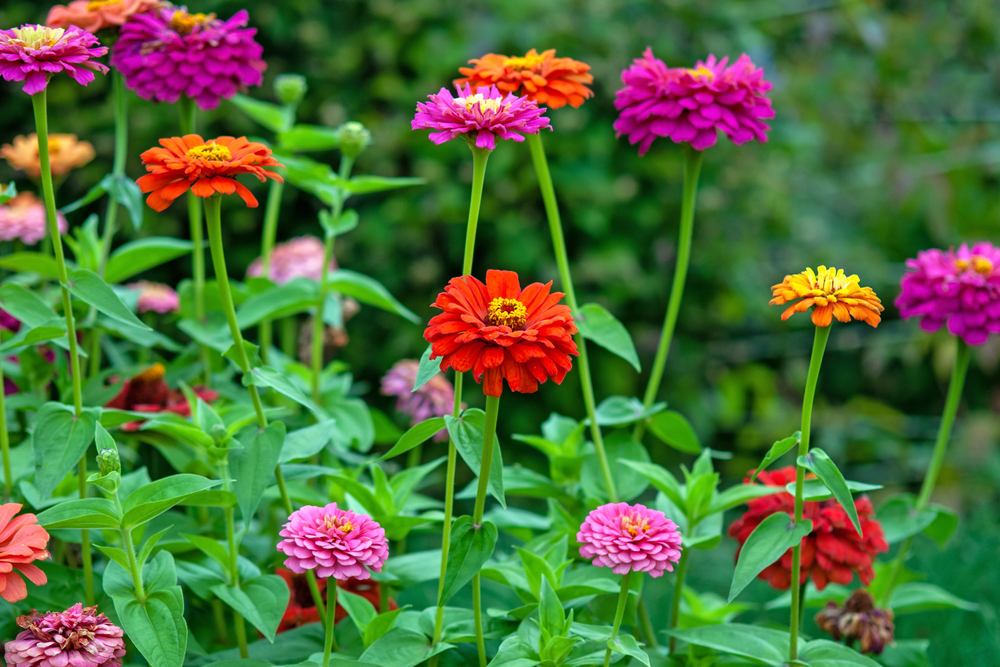
A cut flower garden is a dedicated space designed to grow flowers for the purpose of cutting them and bringing them indoors for bouquets and arrangements. Unlike traditional ornamental gardens primarily focused on outdoor display, a cut flower garden prioritizes high yield, long stem length, and vase life, often featuring varieties that produce more blooms the more they are harvested. The plants are typically grown in rows or blocks for easy access and efficient harvesting, similar to a vegetable garden, allowing for a continuous supply of fresh flowers throughout the growing season.
Best gardening resources for kids
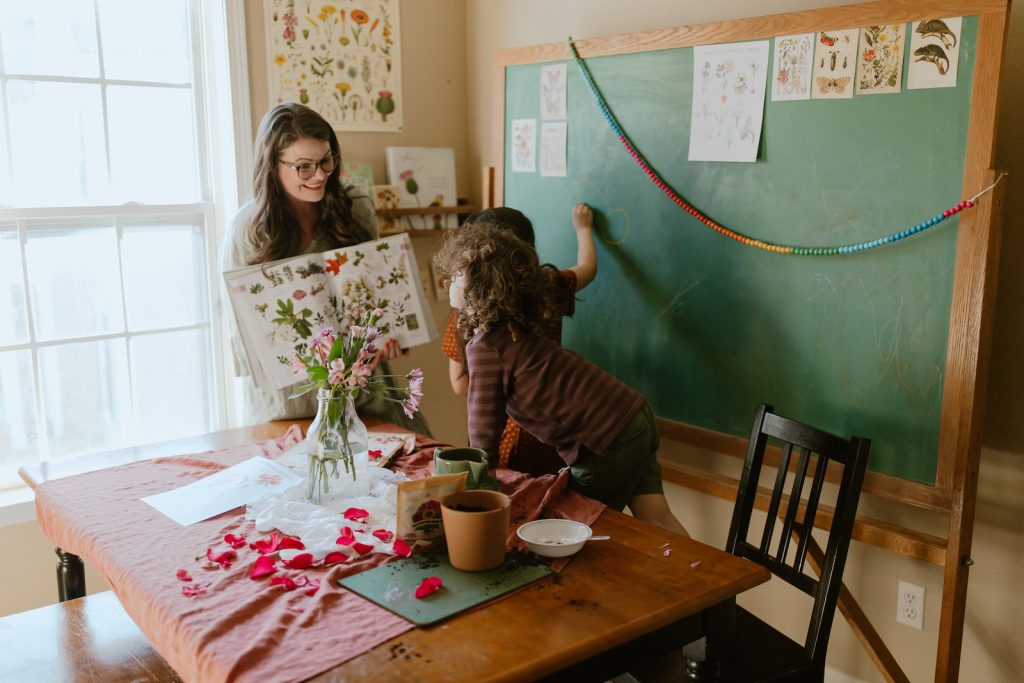
Use these resources to help your children learn about gardening and planning a cut flower garden.
Books:
- Lost Art of Reading Nature Signs
- Smithsonian Children’s Encyclopedia
- Everything You Need to Know to Ace Science
- Nature All Around: Plants by Pamela Hickman
- How to Speak Flower: A Kid’s Guide to Buds, Blooms, & Blossoms by Molly Williams
- My First Flower Encyclopedia by Andrea Peterson
- The Big Book of Blooms by Yuval Zommer
- Wildflowers of America by National Audubon Society
- What’s Inside A Flower by Rachel Ignotofsky
- Handpicked: Simple, Sustainable, and Seasonal Flower Arrangements by Ingrid Carozzi
- Flower Identification Sheets from Treehouse Nature Study, Primary Years
Multimedia:
- Simple Science: Parts of a Flower (Oklahoma Gardening)
- Flowers of the World: Names of 100 Types of Flowers (Kiddopedia)
- Fertilization and Seed Formation (Science Sauce)
- Easy Cut Garden Flower Plan (No Seed Starting Needed!) (Regenerative Farming with Blossom & Branch Farm)
- Easy Cut Flower Garden From Seed! (Regenerative Farming with Blossom & Branch Farm)
- How to Plant Wildflowers (GardenBound)
- Four Ways to Tell if Your Garden Needs Water (MIgardener)
- Determining What to Grow in a Cut Flower Garden (Gardenary)
How to start a cut flower garden for kids [Printable Planning Sheet]

Save and print the Cut Flower Garden Planning Sheet below to research and plan your own cut flower garden.

Tips for maintaining a cut flower garden

- Soil and nutrients – Most flowers are hungry plants! To give them the best start, enrich garden beds with a good amount of compost before planting. Throughout the growing season, feed your flowers every 2 to 4 weeks with a balanced liquid fertilizer. A basic fish emulsion works well to provide essential nutrients.
- Support systems – Some flowers, especially those with tall or heavy blooms, will need a little help staying upright. This is crucial for developing those long, straight stems perfect for cutting. Simple bamboo stakes paired with plant Velcro are effective.
- Watering best practices – Always water at the base of your plants and do so early in the morning. Watering foliage can lead to discoloration or encourage fungal diseases, especially in humid conditions. Early morning watering allows any moisture on the leaves to evaporate quickly as the day warms up.
- Smart harvesting – The way you cut your flowers significantly impacts future blooms. When harvesting, cut deep on the plant, just above a set of leaves or a branching point. This encourages the plant to produce more side shoots, leading to an abundance of longer, stronger stems throughout the season.
- Optimal harvest time and care – For the longest vase life, harvest your cut flowers during the coolest parts of the day, either early in the morning after the dew has dried or later in the evening. As soon as you cut them, plunge the stems immediately into a bucket of cool, clean water. Let them hydrate for at least a few hours, or even overnight, in a cool, shaded spot before arranging them.
- Understanding flower types – It’s important to know if a flower is a “one-hit wonder” or a “cut-and-come-again” variety.
- One-hit wonders, like many sunflowers or tulips, produce a single bloom per plant and are then done. To ensure a continuous supply, you’ll want to plant more of these or consider succession sowing to extend their blooming season.
- Cut-and-come-again flowers, such as zinnias, cosmos, and basil, will produce a lot of flowers. The more you cut them, the more they will branch and bloom!
- Pest and disease management – Keep a watchful eye for pests and diseases. Early detection is key to prevention. Regular inspection of your plants will help you catch issues before they become widespread.
Will you plant a cut flower garden in your backyard this summer? Let us know in the comments below.