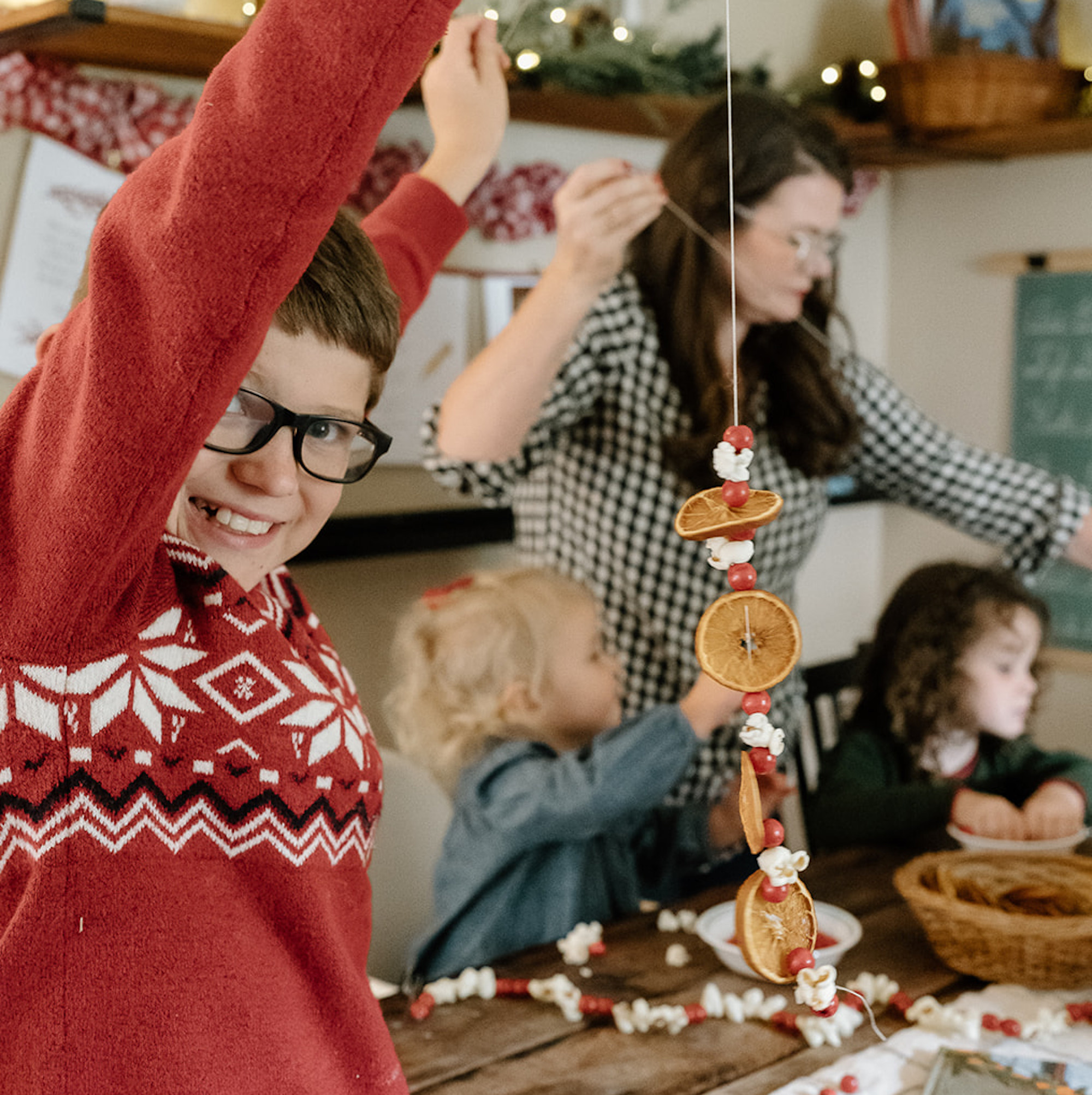
Teaching children life skills gives them independence and confidence as they enter adulthood. These are practical life skills that help with daily tasks like taking care of a home, personal hygiene, safety, etiquette, and basic kitchen skills.
One of the biggest gaps I see children growing up with today is the confidence and ability to perform practical life skills.
For me personally, I didn’t feel fully equipped going into my adulthood when it came to practical, day-to-day small things. I had no clue how to clean a toilet or go grocery shopping for more than road trip snacks. I spent the better part of my early 20s eating out because I was intimidated by the kitchen. When I finally started cooking, I relied on complicated recipes and spent too much time and money on impractical meals. I would call my dad to ask how to put air in a bike tire and was nervous about going to the post office. While I aced Algebra tests and was an honor roll student at my public high school, I was “educated” by the world’s standards, but I was not ready for adulthood.
In this blog post, I am sharing ideas for teaching children practical life skills – starting at a young age – plus 100 practical skills to teach children.
In this blog post:
- How to teach children practical life skills
- 100 practical life skills to teach your children [Free PDF download]
- Frequently asked questions about teaching life skills to children
How to teach children practical life skills

I believe practical life skills are learned at home, in a family setting. As a parent, I believe it is my job to teach these skills, and it is easy to overlook.
We are doing our children a disservice when we aren’t intentional about giving them responsibility. In my home, from a young age, we have put a lot of thought and effort into helping our children become capable, resourceful, confident, problem-solving individuals. As my older children have grown into the middle school years, this is still something we work on with them.
A huge benefit to homeschooling for my husband and me is having the margin in our days to teach our children practical life skills. While many of these are taught somewhat organically throughout childhood and life, I decided early on it was wise to be a bit more intentional about teaching them. Why not include them in our homeschool day? To me, they’re just as important as learning fractions or the story of Abraham Lincoln.
When my older children were around ages 4 and 5 we began “Morning Chores.” You can read about how we handled chores at that young age here. Along with daily chores, I try to include practical life skills intentionally throughout our days. I invite each child to cook with me. I try to slow down and welcome my children to observe “adult” things I am doing like pumping gas and writing out my meal plan. I explain everything in detail and give them a chance to help.
Morning chores are part of our family’s daily rhythm. After we finish breakfast, each child has a few tasks they do to help care for our home. It might be helping clean up breakfast, getting dressed and brushing their teeth, or making their bed. Each child has a chore chart from the Daily Rhythm Bundle to cross off their chores each morning and evening. For my family, it helps set expectations and create accountability. It also teaches my children that we all have an important role to play in our family.
100 practical life skills to teach your children

There are chores that children can do at every age.
Use the list of 100 Life Skills below to inspire you. Check off what you think your children are already capable of. Add some things you wish you would’ve known going into adulthood. Ask your children what “adult things” they wish they understood or could do. Their answers may surprise you.
Decide how you want to be intentional, depending on your children’s ages and abilities. Maybe you could tackle one or two at a time with your children until you feel they’re confident.
However you decide to approach this in your family, let this encourage you to remember what education is – skills give children the tools they need for a full, rich life.
Download the full list: 100 Life Skills to Intentionally Teach Your Child

Frequently asked questions about teaching life skills to children
What are some life skills to teach young children, ages 3-4?
Teaching toddlers and preschoolers life skills can be a lot of fun. You might be surprised by how much some children love being independent or “helping Mommy.” Young children, ages 3-4, can help pick up toys, put dirty clothes in a laundry basket, set the table, and feed pets. If you find a task they love, let the do it as much as possible and encourage them, telling them “thank you” or that they are doing a great job.
What life skills are appropriate for my child’s age?
Many tasks can be broken down into smaller segments for children to learn at any age or with supervision. In this blog post, Chore Lists for Children by Age, we share lists of chores by age for children ages 3-14.
How do you encourage a child to learn life skills if the child does not want to learn or help around the house?
I prefer to try to encourage children to be responsible for the home as much as possible. We use chore charts to list what they are responsible for, and we may include rewards if our whole family finishes our chore lists over a prolonged period of time. In our family, it’s important that my children understand that we all work together and we all have a role. That role includes helping each other and helping take care of our home.
If a child is resistant to learning new skills or taking responsibility, you can try offering new things, or just focusing on one particular skill for a long period, like one or two months, until they start participating.
How many life skills can you teach a child at a time?
It is easier to teach life skills when you focus on teaching one or two skills at a time, for as long as it takes, instead of piling on tons of tasks and new things at once.
What life skills do you think will be most important when our children become adults?
When I imagine what it will be like to be an adult in 10-15 years, I want my children to feel capable and confident as they enter adulthood. As we are seeing a lot of changes and new technology, I want my children to feel comfortable learning and trying new things and pivoting when needed. I also want to encourage their creative efforts and see them blossom as they become adults, whether it is a hobby they enjoy or a project they are taking seriously. See my priorities for homeschooling middle schoolers in this blog post.
What life skills do you want your children to know? Share your thoughts in the comments below.
Lyndsey Mimnagh is a homeschool mom of four, founder of Treehouse Schoolhouse, and lifelong believer in the power of stories, play, and creativity. Lyndsey lives in North Carolina with her husband and children and can usually be found reading aloud, crafting, hiking, or enjoying good espresso. Connect with her on Instagram @treehouse_schoolhouse.