Having preschoolers in the mix is a special time in family life. I love when young children begin to grow into their own personalities and interests and start having opinions, questions, and ideas. I love watching their imaginations and seeing how their minds work. I love how young children steadily become more independent and capable, yet still need help figuring things out, learning new skills, and regulating their feelings. It is a demanding season in parenting, but so rewarding as you see how your child is growing and changing.
As your child inches closer to approaching kindergarten or formal education, you may be wondering what goals you should have in this season or what they should be capable of. Whether you are looking for ways to gently introduce your child to learning, or want to begin teaching your child new skills, here are some things I focus on in the season leading up to kindergarten, usually between ages 3-5.
In this blog post I am sharing eight skills to teach your child during this season. This is not a firm checklist for kindergarten readiness, but instead a menu of things to encourage and teach your child that will benefit them when they move into formal academics. I do not think that learning during this stage comes with expectations like reading fluently, doing lots of worksheets, memorizing sight words, writing perfectly, or mastering all of the letter sounds by a certain age. Instead, I think this time is more about training habits and developing a love for learning while creating special moments and memories together in your home.
In this blog post:
- Eight goals for preschoolers to prepare them for kindergarten
- Using Treehouse Story School: Preschool to prepare children for kindergarten
Eight goals for preschoolers to prepare them for kindergarten

Here are the things I recommended working on with preschool-aged children, ages 3-5, as you look ahead to preparing them for kindergarten and formal academics.
1. Develop fine motor skills

Teaching small children fine motor skills requires them to learn how to use and control the little muscles in their hands and fingers. Later, these will be essential for tasks like cutting with scissors, getting dressed, and practicing handwriting. You can begin to encourage them to practice these motor skills with different materials they can play and create with. You may have to guide them gently at first, or you may notice that you need to be nearby to show kids how to hold things currently or handle different materials. You may also need to teach them some boundaries when it comes to new materials, like only using crafts in certain areas, only cutting paper with scissors, or cleaning up messes. The goal here is practice and repeated exposure, not mastery.
Here are some activities to try to help nurture your child’s fine motor skills:
- Playing with clay and Play-Doh
- Cutting with scissors
- Color with markers and crayons
- Painting
- Threading beads with string or pipe cleaners
- Baking skills, like measuring and pouring ingredients, stirring, and cracking eggs
- Pouring water
- Picking up things with tongs
2. Exposure to rich language and stories

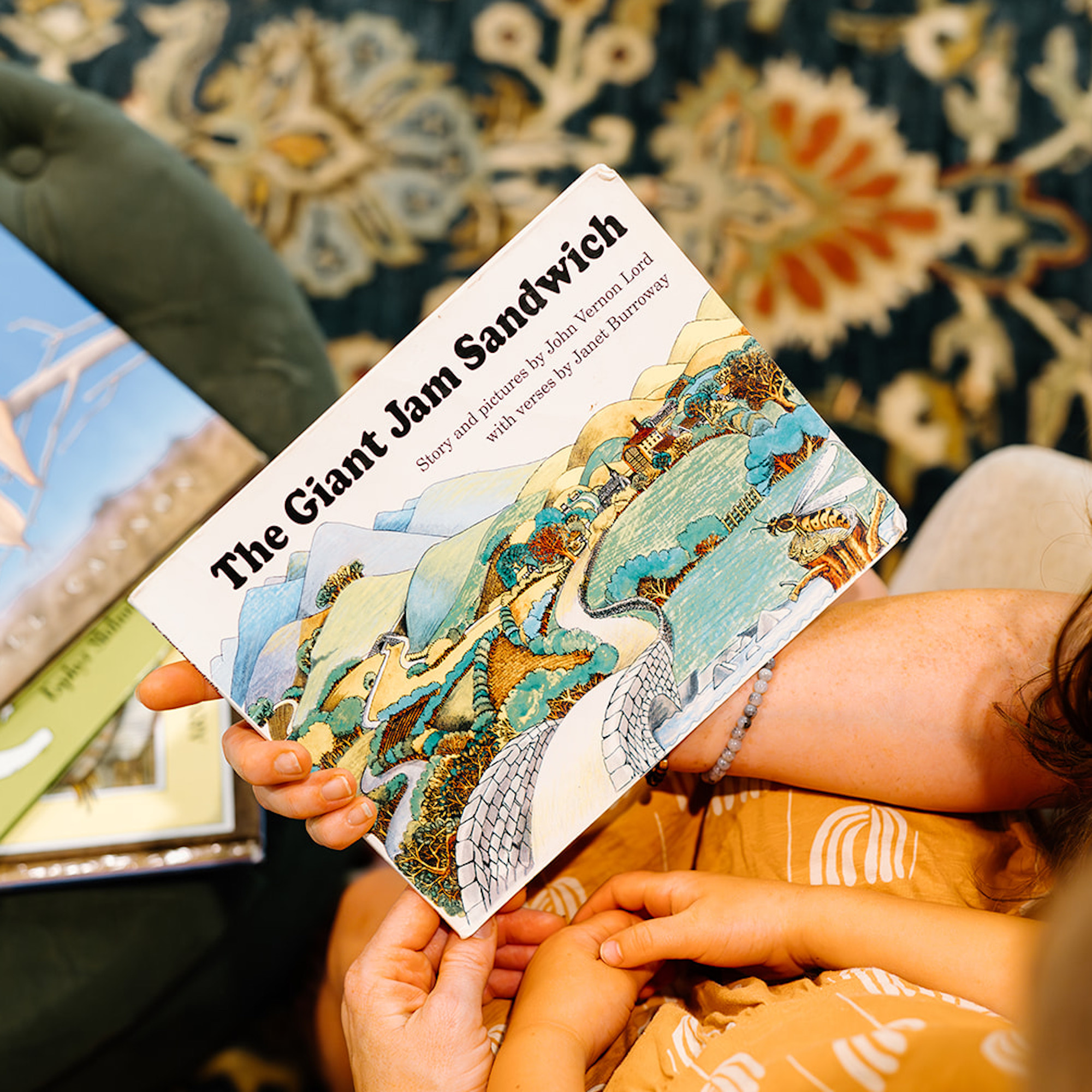
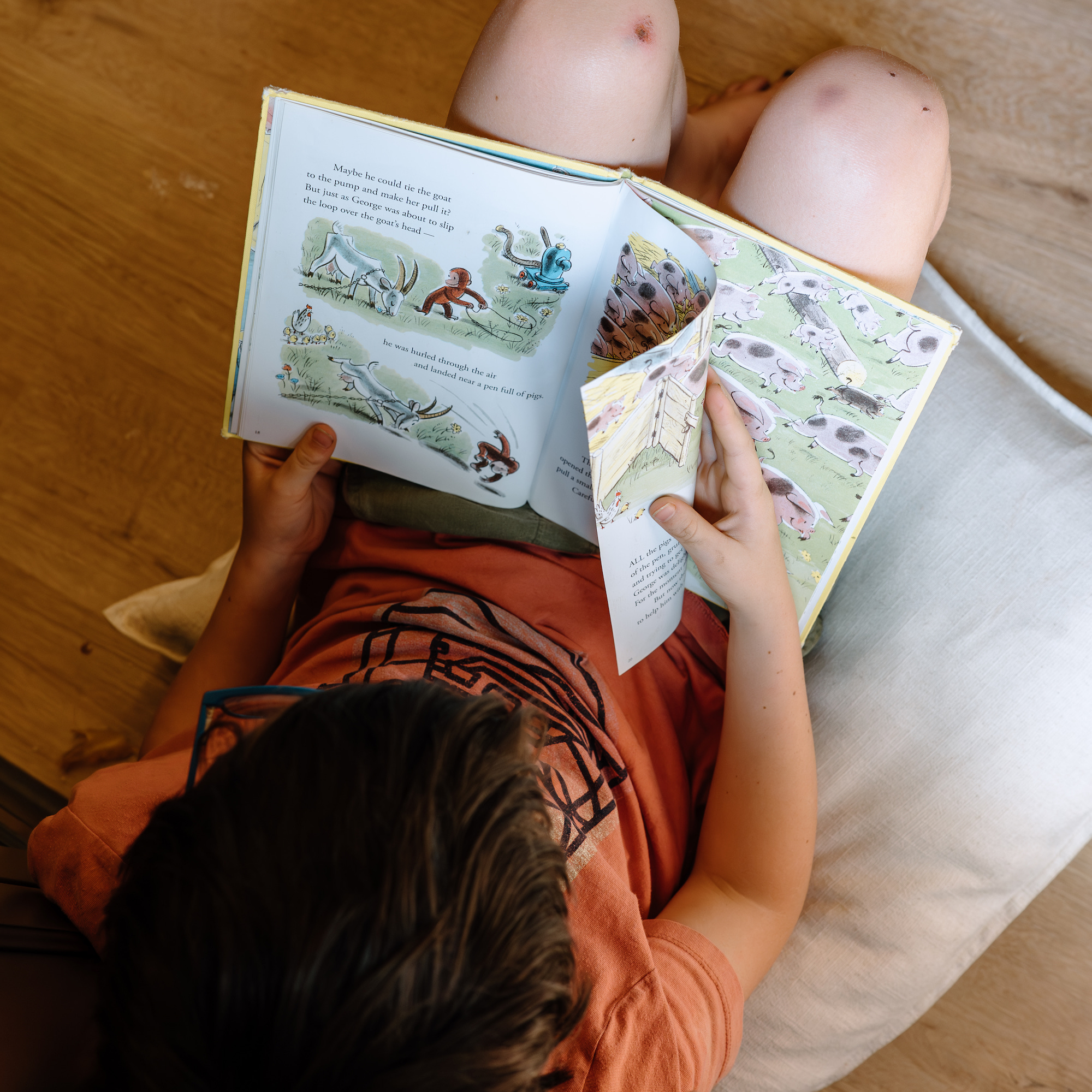
Reading rich literature to children daily is a simple way to lay a foundation for them to fall in love with stories and increase their interest in reading. In these years you are slowly building towards teaching a child how to read, so reading to children propels children toward this goal. Reading literature helps children grow in phonemic awareness (noticing different sounds), phonics (letter-sound correspondence), fluency (ability to read connected text), vocabulary (understanding the meaning of words), and text comprehension (making meaning of written words). All of this can be developed simply and organically by reading aloud to children from picture books, classic stories, and rich literary texts (Source: Texas A&M University-San Antonio).
You can also expose children to rich language through your own conversations together, or by listening to songs and poetry.
Here are some ways to encourage rich language development through stories and in daily life at this age:
- Reading aloud to children regularly
- Singing songs and folk music
- Having meaningful conversations with adults
- Exposing kids to rich vocabulary in stories and in daily life
- Noticing how books are read from left to right
- Enjoying stories independently
- Encouraging the ability to listen to short stories attentively
- Retelling simple parts of a story
- Memorizing short poems or songs independently
- Speaking in complete thoughts
- Using rich vocabulary and being articulate in conversation
3. Build good habits
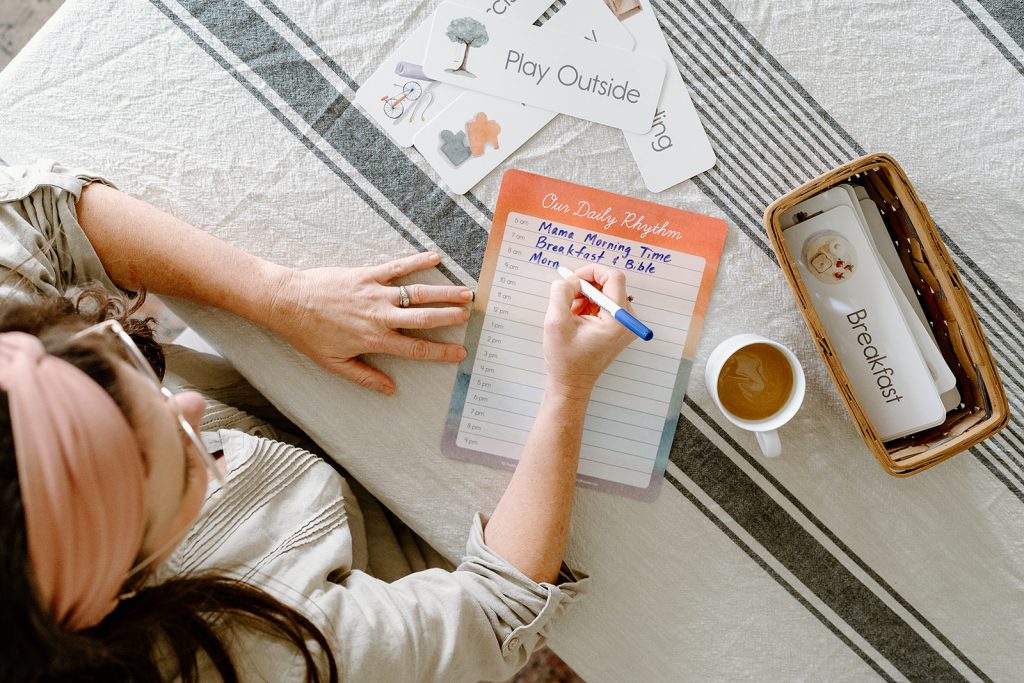
Formal education requires attention, following instructions, and listening. To help foster a natural transition from the preschool years to kindergarten, here are some goals to work on and encourage your child to develop.
- Listening attentively for short periods of time
- Following and completing simple instructions
- Helping with small responsibilities
- Practicing kindness and self-control
- Caring for belongings
- Noticing small frustrations and practicing persistence during challenges
- Speaking respectfully and clearly
- Asking for specific needs politely instead of crying, yelling, or demanding
4. Involve them in many real-life experiences

Children are so capable of learning through observation and their surroundings. Invite children into your daily experiences so they can mature and develop real-life understanding of the world.
This includes simple acts of everyday life, like:
- Baking and cooking responsibilities
- Nature walks
- Outdoor free play
- Handicrafts
- Observing animals and seasons
- Helping in the home
- Visiting libraries, farms, markets, trails, museums, grandparents, and other experiences
5. Develop the habit of attention and observation

Sometimes it feels like little children simply don’t have the ability or attention span to listen or sit still without wiggling, squirming, interrupting, or easily becoming distracted. I can think of so many times I gathered books or activities for my littles only to find they had absolutely no interest in what I was offering them.
However, with repeated exposure and gentle invitations to connect and do activities together, or with siblings or other children, you will find your child can grow in this area. Here are some ideas to try encourage your child to pay attention for short stretches of time:
- Listening to and engaging with entire picture books
- Looking at nature up close and pointing out small things
- Noticing details, like naming things you see through windows or looking at illustrations in picture books and pointing out different things
- Asking your child questions and giving kids the opportunity to ask their own questions
6. Begin to gain alphabet awareness

As soon as you introduce a set of things for a child to learn, it is natural to want to see your child master it. Instead, I prefer a gentle approach of just making progress in this area as your child seems interested, like noticing the letters in their name or on signs and in their favorite stories. This certainly does not need to be completed before your child starts kindergarten, but the goal is to make progress over time.
Here are some ideas and goals for introducing your child to the alphabet:
- Recognizing uppercase letters
- Recognizing lowercase letters
- Teaching and recognizing the letters in their own name
- Noticing letters in everyday life (like signs, books, cereal boxes)
- Singing the alphabet song
- Matching uppercase and lowercase versions of letters
- Understanding the concept that letters represent sounds
7. Explore writing skills

Gentle encouragement and instruction can help children develop good habits that will translate into their writing skills as they grow. Generally these involve things like developing hand strength, writing basic curves and lines show up in writing letters, developing the pincer grasp (thumb and index finger) needed to hold a pencil, hand-eye coordination, and letter formation.
You can nurture these skills with simple activities such as:
- Offering crayons, markers, and chalk for children to write with
- Encouraging children to draw lines and circles
- Tracing shapes
- Practicing writing their name
- Using the tripod grasp when holding a pencil (Handwriting Without Tears offers great tips here.)
- Strengthening hands through practical life activities
8. Gain math skills

Math is one of those areas where you can introduce concepts by pointing out things in everyday life. You don’t have to encourage rigorous, academic learning about numbers and counting. Instead, count pinecones, rocks, and group leaves by color when you’re exploring nature. Count as you crack eggs and learn about measuring as you make cookies. You can also try introducing these concepts through simple games and play, to make it fun.
Here are some ways I recommend discussing numbers and math with young children:
- Counting real objects meaningfully
- Understanding quantity (more/less, bigger/smaller)
- One-to-one correspondence (one number per object)
- Recognizing simple patterns
- Sorting and classifying objects
- Recognizing basic shapes and spatial concepts
- Learning through hands-on real life experiences like baking, building, and nature play
- Developing attention, observation, and problem-solving through play
Using Treehouse Story School: Preschool to prepare children for kindergarten

If you are looking for resources to gently introduce your child to stories, alphabet and number play, and practical life skills, consider Treehouse Story School: Preschool. This curriculum is a gentle, literature-based preschool curriculum that invites children to learn through the themes in classic children’s picture books. Each week focuses on a picture book, and invites children into connection and learning through music and movement, play-based narration, alphabet and number play, motor skills, practical life development, crafts, and baking together.
This study is a timeless way to encourage children to learn as you prepare them for kindergarten and age-appropriate skills you want your child to learn as they grow.
To see if Treehouse Story School: Preschool is suitable for your family, try a free week below.
What goals are you working on with your preschool-aged child? Share your thoughts in the comments below.