
The number of books and resources you need to source for your homeschool environment can be overwhelming. For families who emphasize the habit of reading or use literature-based curriculum, the library is an invaluable resource. The library can often provide the majority of the books you use, if you know what is available through your local library.
This blog post shares our favorite tips and tricks for making the most of your local library and using the library to enhance your homeschool. These are our best practices for using the library to your benefit, including placing books on hold, searching the library catalog, accessing online library resources, visiting the library, and making returning books as stress-free as possible.
In this blog post:
- Library tips and tricks: Ahead of time
- Library tips: Visiting the library
- Ideas to encourage older kids to keep up with their own library books
- Library tips for homeschool families: Using and storing library books at home
- Living books for kids [Free printable PDF booklist]
Library tips and tricks: Ahead of time
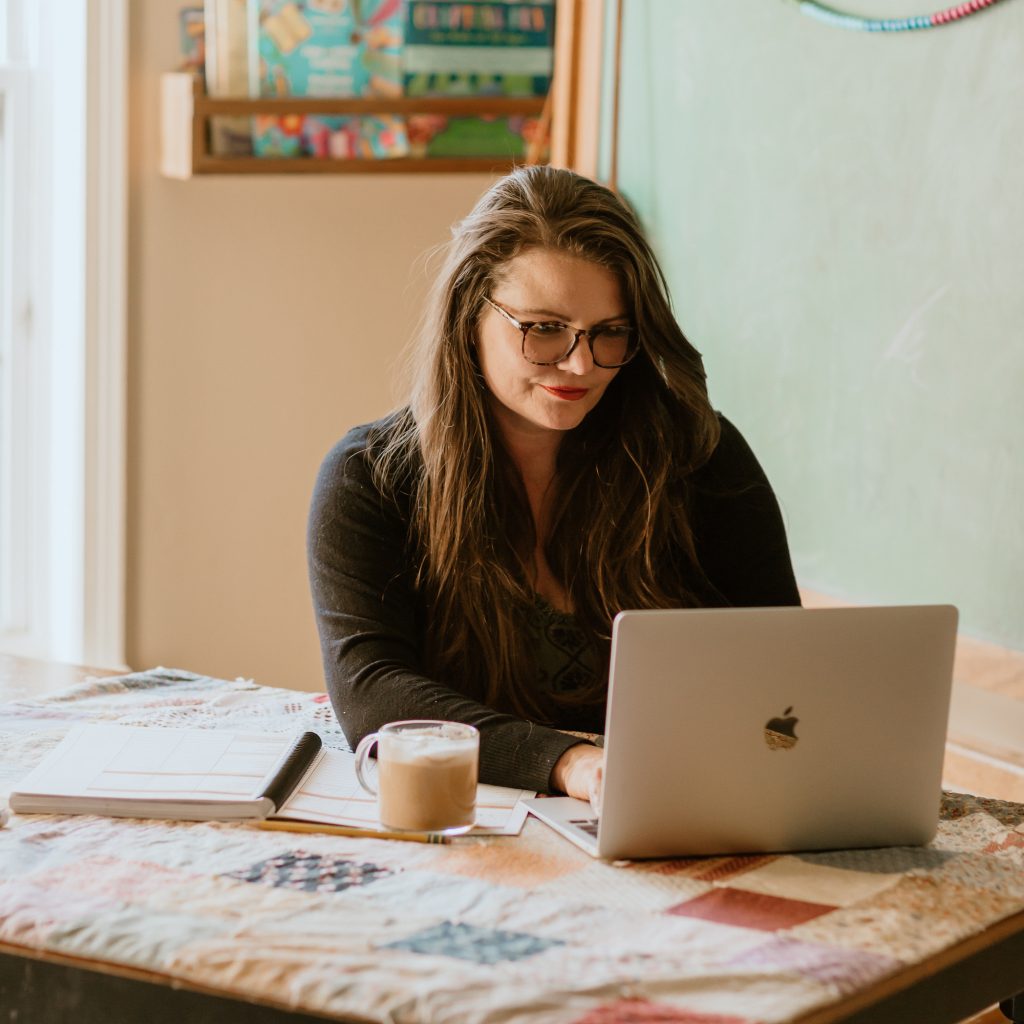
Using the library often starts at home. Here are our best tips for reserving books, making the most of your library account, searching the library catalog, and accessing online databases.
- Reserve library books two to three weeks in advance. Using the library for multiple kids and various curriculums can be hard to plan for, particularly if your curriculum is book-based or literature-based. Look ahead about two to three weeks and reserve everything ahead of time, instead of searching for each book while you are at the library.
- Add weekly library trips to your routine. Making the library part of your routine will make it a lot easier to utilize it. If you are going to use library books, you will have to visit the library relatively often to borrow and return books. Set a time each week to pick up and drop off library books, or mark a day to visit the library in your homeschool planner. As requested books become available, you won’t have to drop everything to pick up your new books, you will already be in the habit of going frequently.
- Use the “For Later” section of your library account. If you are reserving books in bulk, most libraries have a way of adding titles for immediate use and designating some for later use. You may not need all of the books on your list at once, especially if you are pairing them with curriculum. As you research titles your library has, you can add items to your “For Later” shelf so you know what you can source from the library. When you are ready to reserve a book, doing this will store the book titles in your account so you can just click to reserve instead of looking up the titles multiple times.
- Search library catalog by “recently added.” When you are looking for books for you or your children, search what is new in your library catalog by filtering books for “recently added.” It can be surprising how quickly libraries acquire new titles.
- Join multiple libraries. You can join additional libraries, like in a neighboring county, to expand your selection of books. You may have to pay a small fee to join a library where you are not a resident, but doing this will increase the resources you have access to.
- Use online library resources like Hoopla and Libby. Consider using Hoopla and Libby and other online libraries to access reference books and materials. Your library may have some materials that are only available online, so it can be helpful to see what is available. You may be able to access additional materials without needing to take every book home from the library. You can also check out audiobooks on Libby, or documentaries or educational videos on Hoopla.
Library tips: Visiting the library

Here are tips for making trips to the library a pleasant and stress-free experience.
- Bring a large basket to bring books home in. There is nothing as burdensome as carefully balancing a stack of books to take to your car, or having books slide around in your car on the way home. Grab a bag or basket per child so you can easily tote books to and from the library.
- Teach children about library etiquette. Encourage children to be calm and quiet while at the library, or play in designated spaces where kids can roam freely. As kids wander aisles of books, show children how to only take books off of the shelves they want to take home, or set books no longer needed in an area for reshelving. Explain to children how library books are organized with the Dewey Decimal Classification system. For the books you are considering taking home, flip through each book to make sure it’s something you plan to read.
- Participate in special programs at the library. Consider your library’s events for extracurricular activities, outings, field trips, and social interaction. Libraries often offer fun programs, like storytelling events, guest speakers, or fun activities kids may enjoy.
- Browse your library’s shelf of other objects you can borrow. Many libraries allow you to check out items like games, science materials, home and kitchen items, seeds for gardening, sewing machines, and 3D printers. Some libraries offer museum passes to local museums or art galleries.
- For digital titles, aim to check out books you actually plan to read. Digital licensing for libraries works by tracking the number of times a book has been checked out. While libraries are eager for people to utilize available resources, consider only checking out books you know you need or have time to read, both so others can have easy access to materials and so libraries don’t pay excessive fees for books that are checked out and not read.
- Use the library as a place to do school work or study. Reserve study rooms for children’s research projects or just a change of scenery during the week.
- Ask about volunteer opportunities for kids. In addition to what your local library can offer you, it is a place where you can give back. Ask your local librarian about service opportunities where kids can participate or help in the community.
Library tips for homeschool families: Using and storing library books at home

These are our favorite ways to sort and organize library books that you use and your home and homeschool, plus tips for returning all of the books on time.
- Sort books when you get home. Go ahead and separate books by curriculum, books for children, or books for fun. Set books for academics in your homeschool space with the coordinating curriculum, and store books for entertainment in designated book baskets in the living room or in children’s bedrooms.
- Keep fun reads separate from curriculum books. Keep books for entertainment in baskets in the living room, bedroom, or car so kids can easily access new books.
- Use a reading log to motivate children and track the books they finish. A reading log is a simple and fun way to encourage kids to read more. Each time they finish a book, kids can record the title of the book, the author, and whether or not they liked it. Download a free reading log here.
- Enlist help from kids to gather library books. When it’s time to return library books, print the list of what is due soon and ask children to help find each title. This helps children learn how the library works (returning books) and encourages responsibility.
- Return books you no longer need. While it can be tempting to make as few trips to the library as possible, return books you are finished with to make them available for others.
Ideas to encourage older kids to keep up with their own library books

With four children who enjoy reading, keeping track of books can get overwhelming fast. Now that they are all older, I decided to give them responsibility and ownership over this area of their lives rather than tracking this myself. I also saw this as an opportunity to give them writing practice, organizational skills, and mindfulness of where their things belong.
Here is a simple system that’s working for us right now:
- Each child has their own library bag. You could use anything but I thought it would be fun to make our own, so I bought plain canvas bags with colored bottoms. Each child got one with their favorite color. I also got these acrylic paint markers for them to decorate their bags. They added designs and pictures to their bags.
- Each child keeps a log of their library books. I customized the charts by name using Canvas, printed them out and put them on clipboards. The clipboards are to stay in the bags with their books. (Grab the Canva template here.)
- At the library, the kids browse and select their books. We have a 10 book limit per kid in our home, meaning that they can have 10 books out at a time.
- After we check out books, we fill out the charts at the library before we leave. This way, books aren’t unaccounted for by being left in the car, or a dozen other places. Books that were returned get crossed off and new books get added.
- Library bags stay on children’s beds or in their rooms, and books should return to the bag after being read. Obviously that’s a best case scenario and books do get misplaced around the house.
- When it’s library day and it’s time to gather books, each child refers to their lists and gathers their own books independently. This helps them remember what they’re looking for and that they have them all. If they can’t find a book, they have two more weeks to locate it before the library charges us (and in turn, they have to use their personal money to pay for it).
Living books for kids [Free printable PDF booklist]

Cultivate a love of reading in your home with books that create connection, such as living books. Living books are stories in which the author has personal experience, and inspire the imagination long after reading takes place.
This 100 Living Books for the Early Years booklist includes board books and picture books, storybook collections and treasures, poetry books children will love, and novels that make great read-alouds for the younger years.
This booklist includes beloved titles such as The Little House by Virginia Burton, The Story About Ping by Marjorie Flack, The Little Engine that Could by Watty Piper, Blueberries for Sal and Make Way For Ducklings by Robert McCloskey, and many more.
How do you use the library in your homeschool? Share your tips in the comments below.


